Book a Tour
 Enrol Online
 Prospectus


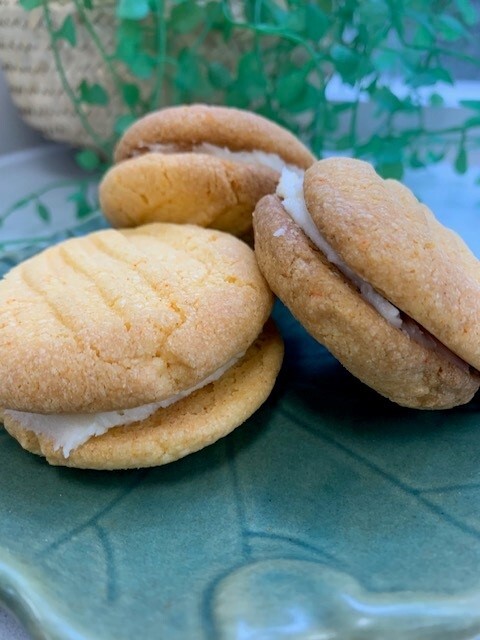
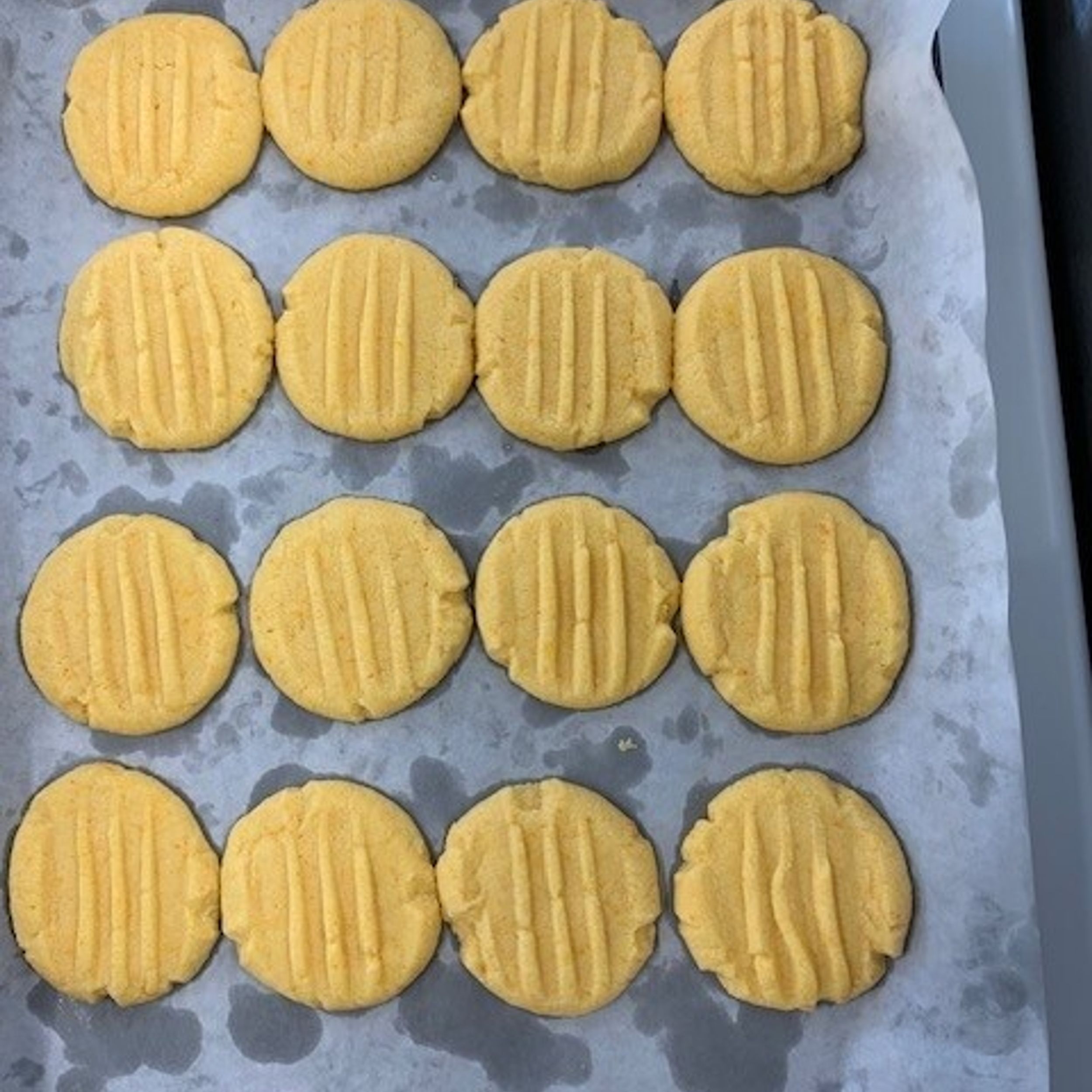
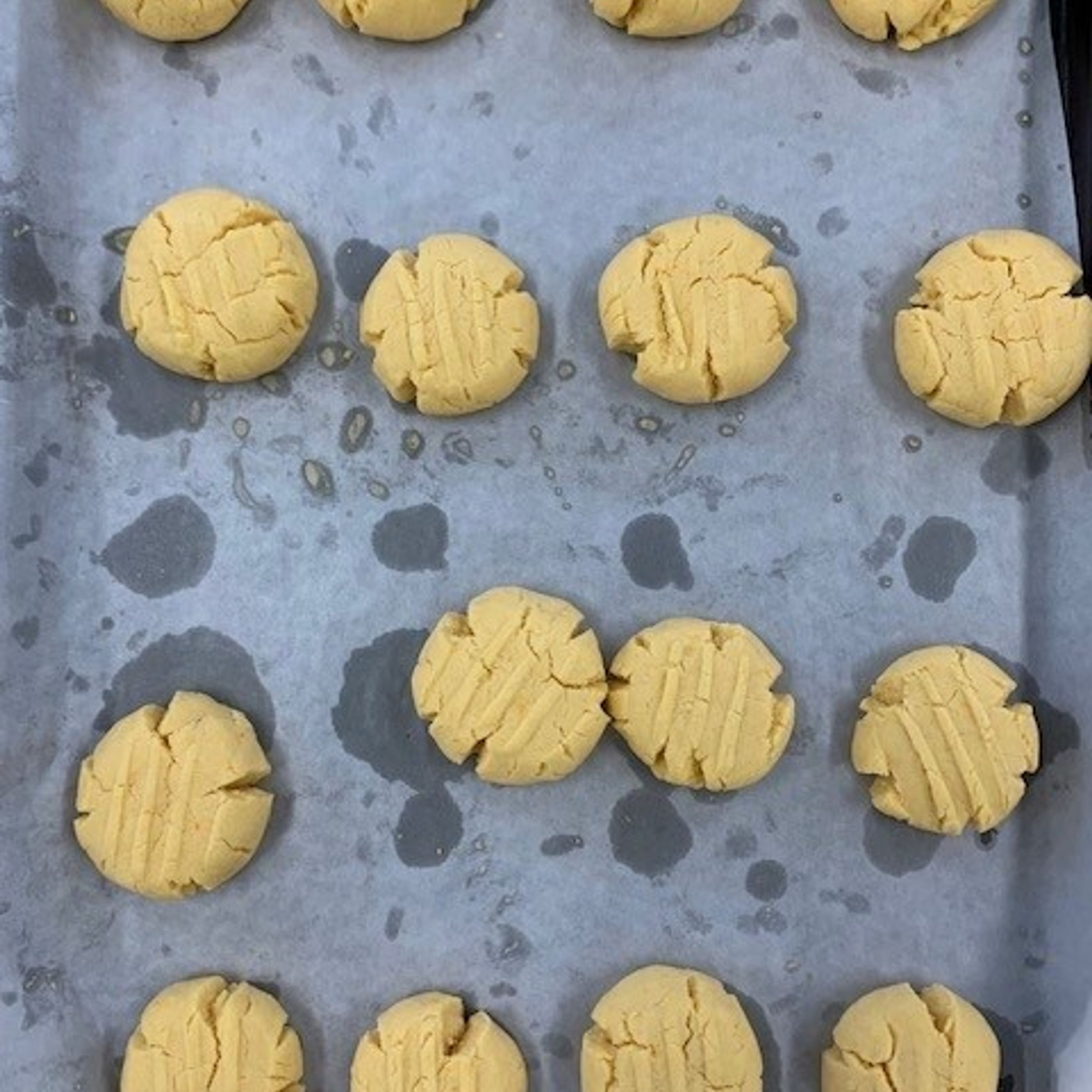
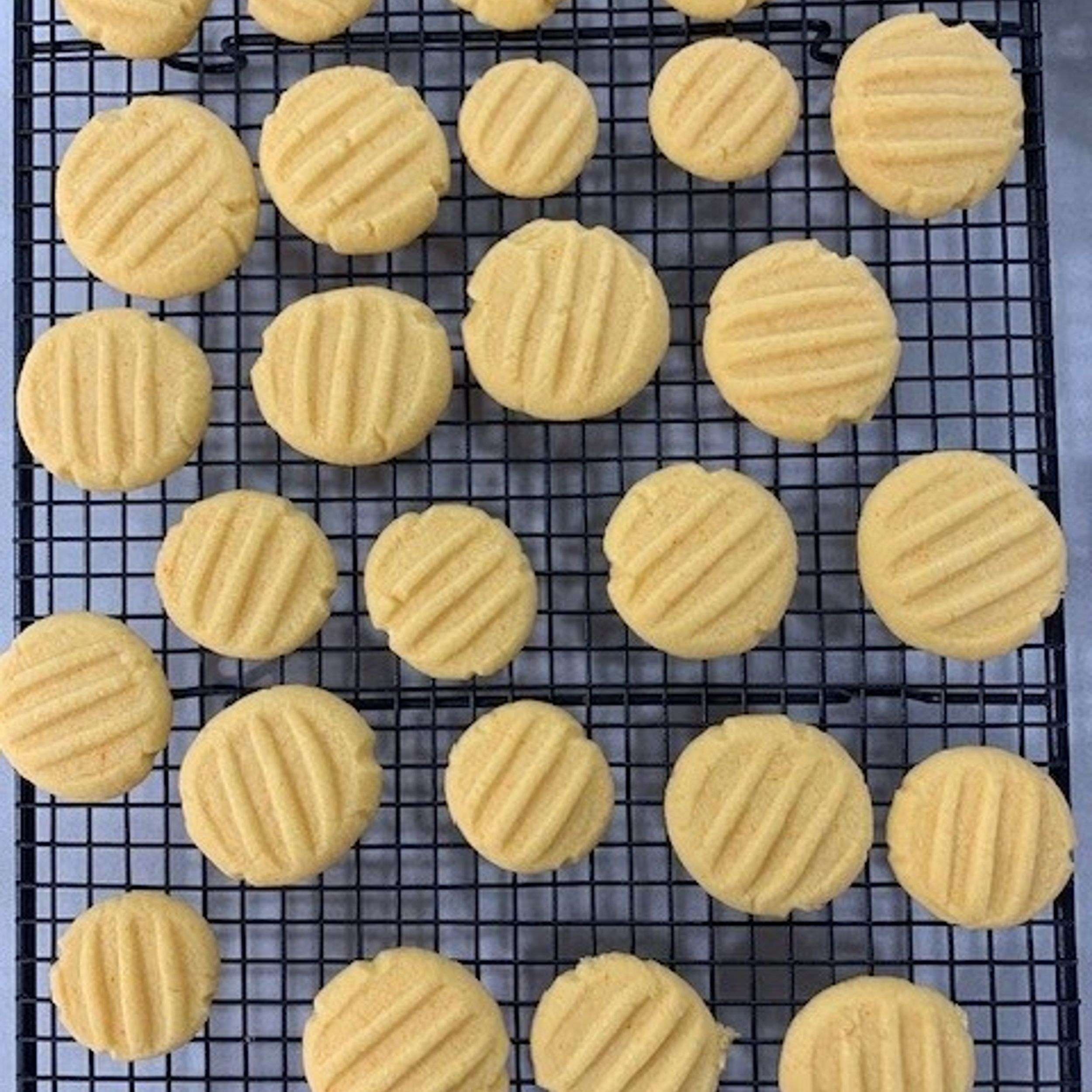
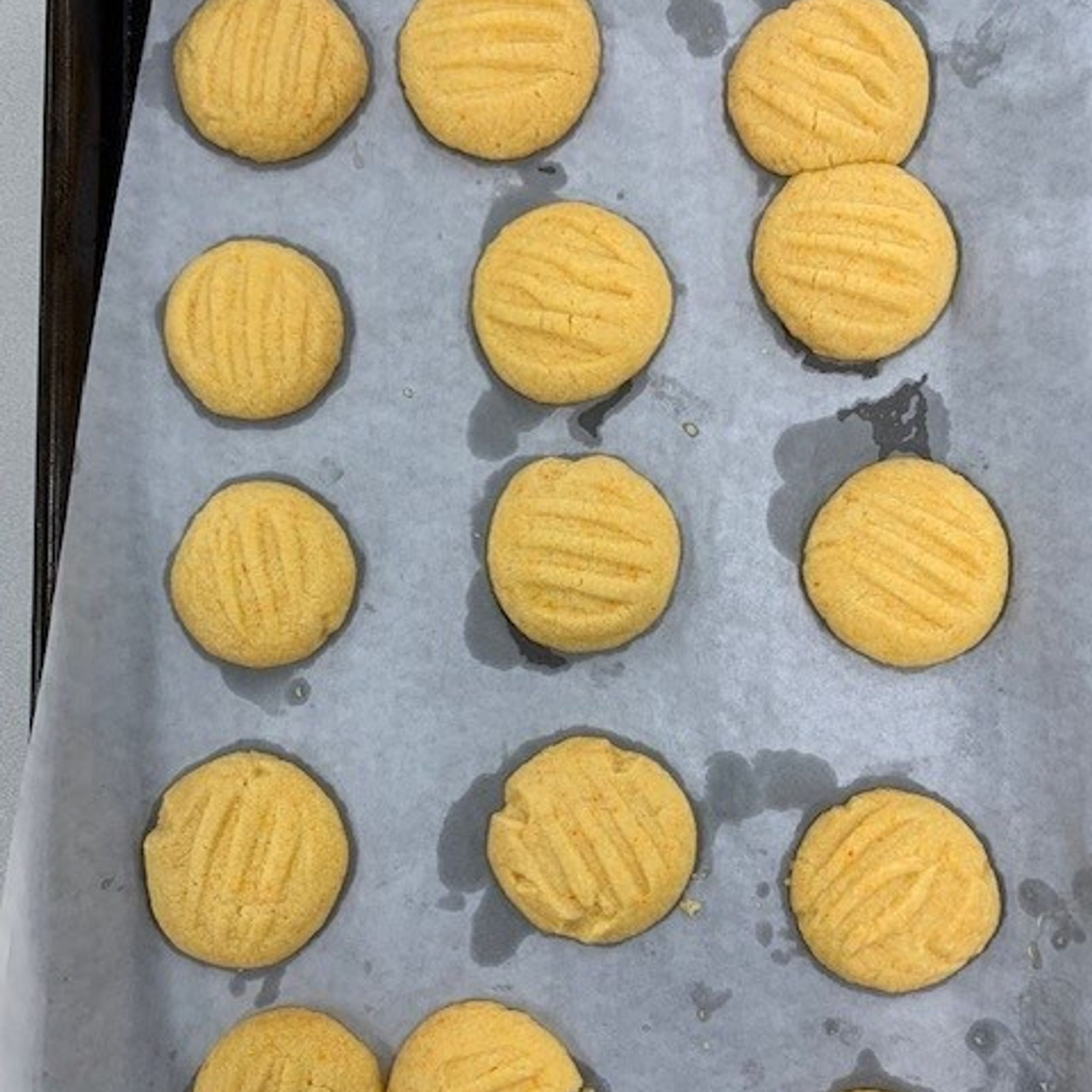
Yo-yo biscuits can turn out very differently, even when using the same recipe, due to small variations in technique and conditions.
Using the rubbing-in method, the way butter is combined with flour is crucial - if the butter is too soft or not rubbed in evenly, the texture can be inconsistent. Accurate measuring is also important, as too much flour creates dry biscuits, while too little causes spreading.
Overworking the dough after rubbing in can develop gluten, leading to tougher biscuits. Oven temperature and baking time are key; too hot or too long can burn or dry them out, while too cool or too short can leave them pale or undercooked. Uneven shaping can result in different sizes and baking outcomes.
Environmental factors, such as a warm classroom, can soften the dough and affect results. Overall, students’ skill and attention to detail play a major role in the final appearance, texture, and quality of the biscuits.
See the gallery below for the variations and learning process of this biscuit practical.